
Skip to content
Brussels sprouts used to be one of the most vilified vegetables in American households.
An extensive study conducted by Heinz in 2008 revealed that Americans detested Brussels sprouts more than beets, spinach and even broccoli. This visceral repulsion is excusable considering that until quite recently, most home cooks (and even professional chefs) didn’t know how to properly handle the trickiest member of the Brassica family.
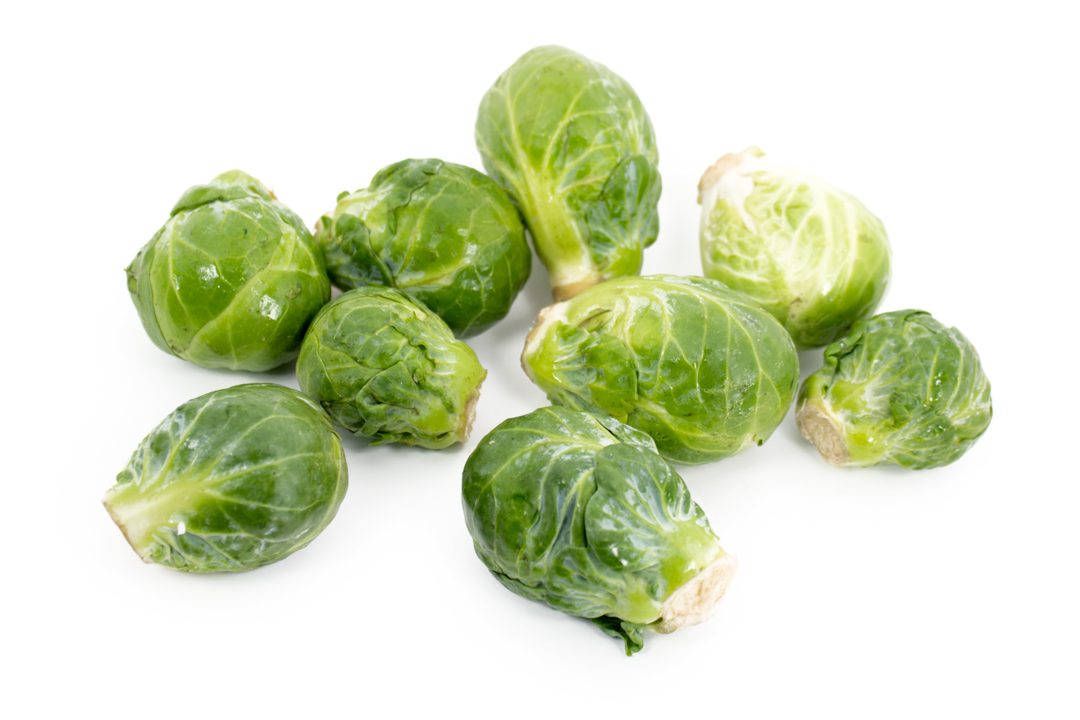
But in recent years, Brussels sprouts have had a culinary renaissance. Chefs have started featuring them, moms have stopped boiling them, and even children are starting to embrace the complex flavor of Brussels sprouts.
It’s time you got on board too. After reading these five facts, you’ll have no excuses for making obnoxiously stinky Brussels sprouts. In fact, you may even find you start to crave them.
1. The Bitter Flavor Is Part of a Natural Defense Mechanism
A few years ago, The Journal of the Science of Food and Agriculture published a 6-year study on the cause of Brussels sprouts’ bitter flavor. The conclusion? That glucosinolates singrin and progoitrin are the culprits for Brussels sprouts’ bad reputation.
These compounds are released when the Brussels sprouts are chewed, cut or damaged. So unless you want a mouth full of blech, you better treat these sprouts with respect.
2. Respect the Sprouts…
Brussels Sprouts were first planted in California in the early 1900s, but they weren’t widespread until the development of the frozen food industry in the 1940s. For some reason, Americans were taught to take these frozen Brussels sprouts and toss them into a pot of boiling water for an extended period of time.
That is no way to treat a delicious vegetable. As we learned in point #1, when Brussels sprouts feel disrespected, they’ll seek revenge with a punch to the mouth of noxious flavor.
Always look for fresh Brussels sprouts and never, NEVER boil or overcook Brussels sprouts.
3. …And the Sprouts Will Respect You
The upside to Brussels sprouts’ defense mechanism is that glucosinolates singrin and progoitirin are thought to inhibit carcinogenesis. Though the mechanism is still unclear, increased consumption of Brussels sprouts and other brassica have been linked to decreased rates of cancer.
Brussels sprouts also contain significant amounts of vitamin A, vitamin C, vitamin K, magnesium, iron and fiber. Best of all, if you roast your sprouts at a high temperature for a short amount of time, they actually sweeten a little instead of turning bitter.
4. Fresh is Best
Brussels sprouts look like tiny cabbages. But while they’re closely related to cabbage, a Brussels sprout is actually a small bud that protrudes from a thick stalk that grows straight up from the ground. The fresher your Brussels sprouts are, the better they’ll taste and one indicator that your Brussels sprouts are fresh is if they come still attached to the stalk.
Peak growing season is between late August and early March, so it’s no coincidence that Brussels sprouts are strongly associated with Thanksgiving feasts and late winter delicacies.
Though not as robust as a root vegetable, Brussels sprouts are pretty hardy. Just don’t wash them until right before you’re about to cook them and you can store them in a plastic bag in your fridge for up to a week.
5. Brussels Sprouts Are Versatile
Brussels sprouts naturally have a strong, nutty flavor, which can be teased out in a variety of ways. You can bake them, roast them, shred them into salads, pickle them and steam them. But in case you missed point #2, please don’t EVER boil Brussels sprouts!
Brussels sprouts are nicely complemented by complex flavors like blue cheese, Gruyere, mustard, chorizo and pancetta. But they also can stand alone quite competently with just a little olive oil, lemon and fresh herbs. Here are a few of our favorite ways to prepare Brussels sprouts:
You’re now ready to go forth and explore the amazing culinary adventures that farm-fresh Brussels sprouts can offer.
A guest blog post from longtime Boston Organics Community Member, Julie Starr.
You want to do it. Your friends are doing it. People say it’s easy.
People say that it makes you feel really good.
Yes, I’m talking about Boston Organics. This service will collect the most in-season, local and organic produce they can find and deliver it right to your door. You can even tell them which produce you would never want, and they will sub something else in.
So what prevents people from ordering it?
In truth, it can be intimidating.
What if you don’t know what the produce is? If you don’t know what it is, how are you going to use it?
Here is my step-by-step guide on how to “think outside” of your Boston Organics box:
1. Read Their Newsletter
It will tell you what to expect in your upcoming box.
2. Get Excited
You are doing something good for yourself!
3. Lay It All Out
When the box arrives, take all of the produce and lay it out on the counter.
4. Use Google
Google the description of items you don’t recognize. Find its name, ask a friend or email a super cool nutritionist (I may know of one).
5. Divide It Up
Separate your fruits and veggies into produce that is refrigerated and produce that doesn’t have to be.
6. Think In Threes
Most of the vegetables can be categorized into three groups: leaves, root veggies, and everything else. Even if you don’t know what the alien looking round veggie is with lots of roots (most likely celeriac), you can guess that it is not a leafy veg.
7. Got Root Veggies?
When in doubt, roast them, with some onions, garlic, olive oil, salt and pepper at 400 for an hour.
8. Got Greens?
Eat them raw or sauté them with olive or coconut oil, salt and pepper, then serve with a drizzle of lemon juice. Done.
9. Mystery Herbs?
Most can be used when roasting veggies or protein, added to salads or soups for flavor and fragrance.
10. Everything Else
What about all the other veggies like broccoli, cauliflower, Brussels sprouts? Roast, steam or blanche them to preserve both texture and flavor. And don’t be afraid of spices—these often taste good with turmeric, chili pepper or a sprinkle of Parmesan or nutritional yeast. (One of my favorites!)
Next Steps
Now that we have a sense of how to use the vegetables, I know what the next questions usually are: But wait. Don’t veggies go bad in a few days? What If I don’t have time to eat them?
Whenever produce looks like it is on the way out, cook it and freeze it. Not only are you using up the produce, but you’ll be doing yourself a favor by having some prep work done for a future meal.
Most importantly, relax about it. Once you realize how fun it is to try new foods, you will be so excited to not only take your produce outside of the box, but to think outside of the box in regards to your diet and wellness.
Photo credit: @Lamiimi (Instagram)
Julie has been a Boston Organics customer since 2006.
For more than a decade, Julie Starr, MS, CNS, has worked with a diverse group of healthcare practitioners to create tailored nutrition programs, as well as individualized programs for private clients. Julie is the owner of STARR YOGA , a yoga, nutrition and barre studio in Roslindale. She holds a MS in Nutrition from Boston University.
Outside of work, you can find the self-proclaimed “foodie” frolicking around town with her spirited five year old.
Visit Julie’s website at StarrYogaBoston.com or email her at [email protected].
With another foot of snow expected in Boston this morning, winter really isn’t messing around, but neither are we.
To all of you whose deliveries were affected by the blizzard last week, we want to thank you for your patience. A citywide travel ban prevented us from making deliveries last Tuesday, but by the end of the week we were able to bring everyone in the Boston Organics Community their groceries while keeping our drivers safe and sound.
We’re including a copy of the Boston Organics 2015 Winter Produce Guide in your boxes this week with special tips for storing and cooking seasonal fruits and vegetables, so you’ll also be able to handle anything this winter throws your way!
This week, the boxes are filled with fresh, organic leeks, bell peppers and baby bok choy, the perfect combination for a quick Asian stir-fry. We also have fresh-cut rosemary, sweet organic carrots and enormous spaghetti squash from our network of local growers.
All of the ingredients for this week’s featured recipe, Curried Carrot and Sweet Potato Soup, are available in our growing inventory of grocery add-ons, including winter pantry staples like organic vegetable broth and coconut milk!
For a limited time, we’re offering special Valentine’s Day chocolates from Taza Chocolate and Equal Exchange!
There’s no better partner for Taza’s 60% dark stone ground chocolate than rich, organic raspberry oil. The flavors go together so well in Taza’s Raspberry Nib Crunch that cupid must have made the introduction himself.
Meanwhile, Equal Exchange’s Dark Chocolate Heart Boxes are the perfect little gift for that special someone. A box of fair trade organic chocolate not only says “I love you,” it also says, “I love the planet and care that small-scale farmers are paid a living wage.”
Romantics can also enjoy Equal Exchange’s Love Buzz Coffee this Valentine’s Day. This blend of Full City and French Roast has sweet velvety layers of chocolate brownie, caramel corn, malt and toffee. Available both in whole bean and drip grind.
Enjoy your produce and have a delicious week!

The Forono beets in this week’s boxes may look more like a radish or a parsnip, but these special roots from Winter Moon Farm should be cherished like a fine wine.
A traditional Italian beet variety, Foronos have an extra earthy flavor and their cylindrical shape makes them extremely easy to peel and slice. Roast them with fresh organic rosemary from Happy Valley Organics, for a simple local dish with rich flavors.
Locavore Recipe of the Week
Nature’s Circle Farm has been growing some enormous organic spaghetti squash for us, and this week the Dogma Box customers will finally get to give them a try.
Though spaghetti squash is not as nutrient dense as some of our other winter squashes, it’s fun to eat and tastes great slathered in butter.
This recipe for Spaghetti Squash with Brown Butter and Parmesan shows just how simple it is to cook spaghetti squash. In fact, it’s not much more difficult than making a bowl of pasta!
This Week’s Local Produce
Fingerling Sweet Potatoes
Red Fire Farm
(Granby, MA)
Deadon Cabbage Celeriac
Kohlrabi
Forono Beets Carrots
Parsnips
All of the fruits and vegetables we deliver are grown without synthetic pesticides and are USDA certified organic. Interested in receiving produce that’s both organic and locally sourced all year round? Check out our Local Dogma Box.
Similar to a CSA or farm share, our Local Dogma Box is filled with the best organic produce from local and regional farms and brought right to your door each week. It’s the easiest way to eat like a locavore!

2014 was an exciting year full of great milestones. We’re very happy with the growth we experienced while adhering to our mission to give back to the community and promote sustainable living.
Our Year in Review Infographic summarizes the incredible ways that our farmers, employees, customers and their families are all working together to build a more sustainable food system.
Download it now.
Winter is the season for sweet, juicy fruits and hardy root vegetables. The weather may be cold and bitter, but the Boston Organics Winter Produce Guide will help keep your kitchen warm and spirited throughout the long winter months.
Look for your own copy of the 2015 Winter Produce Guide with your next delivery. If you misplaced yours, you can order another one for free or click below to download the digital version.
Looking for more tricks to surviving the winter? Check out 5 Insider Tips for Winter Grocery Deliveries.
As we prepare for what the National Weather Service is calling “a crippling and potentially historic blizzard,” we want to assure you that we will deliver your weekly groceries as quickly as possible, but that safety is our primary concern.
We have been advised not to drive or make deliveries on Tuesday, which will affect the rest of the week’s delivery schedule. If you were scheduled to receive a delivery on Tuesday (1/27), you are now scheduled to receive a delivery on Wednesday (1/28). All subsequent deliveries have been pushed back a day:
| Normally Scheduled Delivery Day | Expected Post-Blizzard Delivery Day |
| Tuesday | Wednesday (1/28) |
| Wednesday | Thursday (1/29) |
| Thursday | Friday (1/30) |
| Friday | Saturday (1/31) |
Keep your eyes on your email inboxes and our Facebook and Twitter accounts for updates.
If you would like to cancel your delivery for this week, please let us know ASAP. Click here to fill out the cancellation form and email [email protected] with any questions.
Winter Pantry Staples
Whether you’re snowed in or simply tired of shoveling out your parking space, cooking and eating delicious food is the best cure for cabin fever. We can deliver all of your winter pantry staples directly to you, so you don’t have to worry about lacing those boots up again.
Equal Exchange Hot Cocoa Mix makes every day feel like a snow day. Made with rich organic cocoa and nonfat organic milk powder, just add hot water and you can enjoy creamy hot chocolate all day long. You can also restock your pantry with organic vegetable broth, fruit and nut bars and plenty of snacks.
We also have everything you need to cheer on the Patriots this Sunday against the Seahawks! Skip the lines and get Late July Organic Tortilla Chips, Appalachian Naturals Salsa and Neighborly Farms Chipotle Cheddar, all on sale this week.
If you feel like spending some time in your warm kitchen, we have a few great recipes to keep you busy. Try this one for Hot and Sour Cabbage Soup, which is fun to make with the special purple Deadon cabbage from Red Fire Farm.
And depending on whether you get Winter Moon Farm’s organic golden beets or their snowy white Hakurei turnips, you’ll want to check out these recipes for Roasted Turnips with Buttered Greens and Sweet and Smoky Beet Burgers.
Enjoy your produce and have a delicious week!
A crucial component of Thanksgiving feasts, sweet potatoes are often forgotten once the holiday seasons have passed. But sweet potatoes are some of the healthiest and most versatile vegetables available during the winter, so it should be no surprise that they’re making a comeback in New England winter cooking.
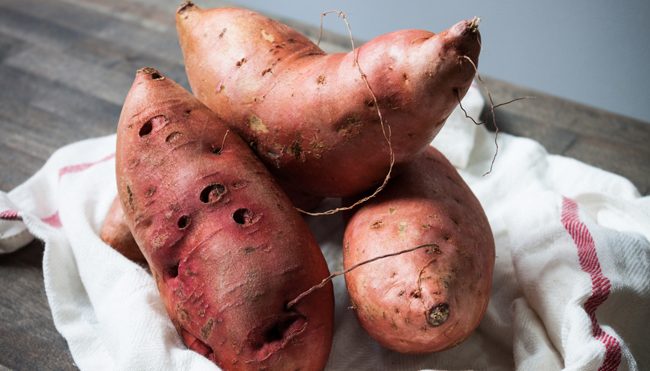
One baked sweet potato contains more than two times your recommended daily allowance of Vitamin A, a third of your recommended Vitamin C and only 140 calories. Sweet potatoes are also naturally fat free and cholesterol free; making them a healthier alternative to regular potatoes.
In fact, sweet potatoes, which thrive in hot, tropical climates, are only very distantly related to the traditional Irish potato. Columbus brought sweet potatoes back from the West Indies well before Europeans discovered Irish potato in the Andes Mountains.
Sweet potatoes are also entirely botanically different from yams, even though the names are (mistakenly) used interchangeably. While sweet potatoes are the edible roots of a morning glory flower, yams are technically a tuber like the Irish potato. Yams also have rough, scaly skin and contain significantly less Vitamin A than a sweet potato.
While American farmers grow 1.25 million tons of sweet potatoes each year, yams are rarely grown commercially in the United States and are almost never seen on grocery store shelves. North Carolina is responsible for well over one third of all sweet potato production in the US, but the farmers in our network of New England organic farms grow a sizable harvest every fall and winter.
If you were to eat a freshly harvested sweet potato, you might be surprised by its bland flavor. Sweet potatoes are generally cured in a hot, high humidity room for several days after harvest to increase their shelf life and prompt the sweet potatoes to release an enzyme which converts the roots’ starches into sugars.
This process is put into overdrive when you cook a sweet potato, heightening its flavor to the point of perfection. Sweet potatoes can be boiled, steamed, baked, roasted, microwaved and mashed. They can be used in side dishes, soups, entrees and even baby food.
The possibilities are endless, but here are 4 of our favorite ways to eat sweet potatoes. Click on the photos below to get the recipes:
 | |
| Sweet Potato Soufflé | Sweet Potatoes, Apples and Braising Greens |
 | |
| Sweet Potato Fries with Fried Sage | Jeff’s Famous Sweet Potato Quinoa Black Bean Burgers |
The ground may be icy and frozen, but the veggies it produces are as bright as the summer sky.
This week Michael Docter is bringing us organic golden beets from Winter Moon Farm in central Massachusetts. His neighbors at Red Fire Farm have some of the first sunchokes of the season and we’re putting them in all of the Dogma Boxes!
Locavore Recipe of the Week
The organic cabbage from Red Fire Farm this week is a special winter variety known as Deadon cabbage.
This cold-hardy leafy green is covered with dark purple leaves. While freezing temperatures kill more fragile greens, the cold weather actually sweetens the cabbage’s flavor and intensifies the purple coloring.
There are lots of great ways to use your Deadon cabbage, but we’ll be making some Hot and Sour Cabbage Soup to keep us warm.
Don’t forget to order some Field Day Organic Vegetable Broth and a block of Vermont Soy Organic Tofu to add some extra protein to this delicious vegetarian soup.
This Week’s Local Produce
Fingerling Sweet Potatoes
Porter Farm
(Elba, NY)
Onions
Winter Moon Farm
(Hadley, MA)
Golden Beets Carrots Parsnips Daikon Radishes
Turnips
All of the fruits and vegetables we deliver are grown without synthetic pesticides and are USDA certified organic. Interested in receiving produce that’s both organic and locally sourced all year round? Check out our Local Dogma Box.
Similar to a CSA or farm share, our Local Dogma Box is filled with the best organic produce from local and regional farms and brought right to your door each week. It’s the easiest way to eat like a locavore!
While everyone gears up for yet another week of cold weather and frigid evenings, your Boston Organics box is constantly changing, with new items from different organic farms each week.
Keep ‘Em Coming: New Add-ons
In addition to all of our delicious organic produce, we offer a wide array of grocery items that you can “add-on” to your weekly order. You can already get most of your grocery staples like organic milk, eggs, cheese, garlic, tofu, coffee and tea delivered to you with your weekly box. But our selection is constantly growing.
Our weekly newsletter includes announcements about new add-ons, but you can also visit the New Items page of our website. We take feedback from the Boston Organics Community very seriously, so if you have any suggestions of items you’d like us to carry, please send us an email.
We make it easy to always have healthy food in your kitchen. Order any add-on for just a single delivery or set up a subscription for groceries you know you need to buy each week.
This week we’re launching a whole heap of new add-ons including organic vegetable broth, a new line of organic breakfast cereals and some super addicting but totally healthy organic snacks! Visit our New Items page to learn more and give ‘em a try.
This Week’s Produce
Organic green beans, beets and oranges are just some of the fresh fruits and vegetables featured in this week’s produce boxes. Many members of the Boston Organics Community will receive locally-grown organic thyme in their boxes, a special winter treat from the solar powered greenhouses at Happy Valley Organics in Whatley, MA.
Sometimes the best way to take advantage of the farm-fresh produce in your box is to make something simple.
This week our newsletter features a recipe for Garlic and Thyme Green Beans. Of course this recipe can be made with garlic powder, dried thyme and frozen green beans, but the beauty of these simple recipes comes from the vibrant flavors found in fresh, organic ingredients.
Amateur cooks will also appreciate our recipe for Basic Sautéed Leafy Greens. There are few things worse than the numbing bitterness of overcooked leafy greens. Whether you’re cooking dandelion greens for the first time or testing out Olivia’s Organics Sauté Blend (another new add-on item!), this recipe will give you the skills to prepare leafy greens like a pro.
Citrus Update
It may still feel like a distant speck, but the end of winter is on the horizon. As we continue to get deeper into winter, the varieties of ripe organic citrus start to change.
This may be one of our final weeks for tangerines, but there are Minneolas in almost every box this week! A cross between a tangerine and a grapefruit, Minneolas are shaped like a red-orange bell with a distinctive bump protruding from its stem end. Juicy and sweet with a mild tartness, this citrus fruit is easy to peel and generally has very few seeds.
Meyer lemons continue to be available as add-ons and our growers say that the much adored Murcott mandarins and blood oranges are almost ready for harvest, so stay tuned.
Enjoy your produce and have a delicious week!